
Comoros is a small island nation in the Indian Ocean, off the eastern coast of Africa. Surrounded by the sea, we are a people accustomed to listening to the tides, the winds, and the voices carried across the water. Perhaps that is why, when we say the child is calling, we understand what it means to hear and to respond.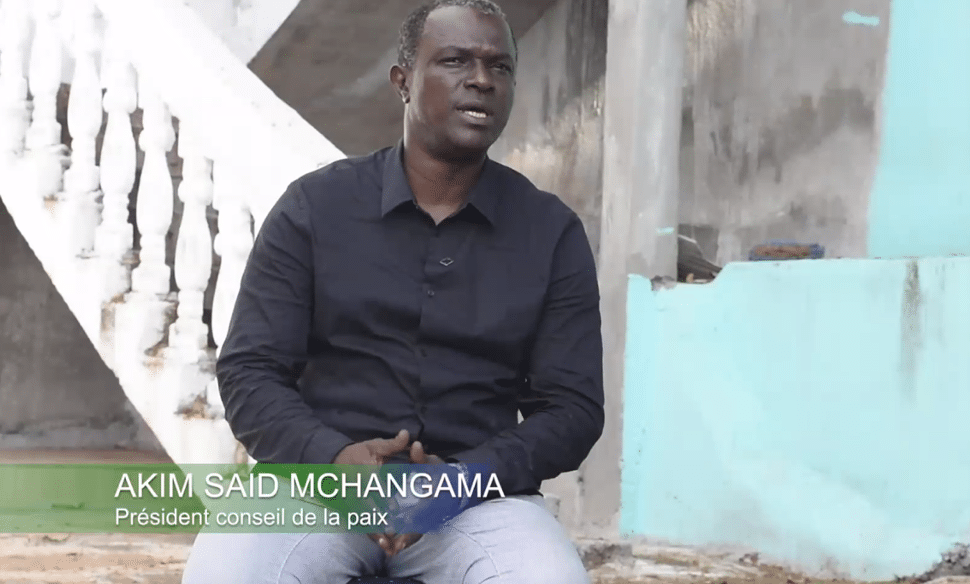
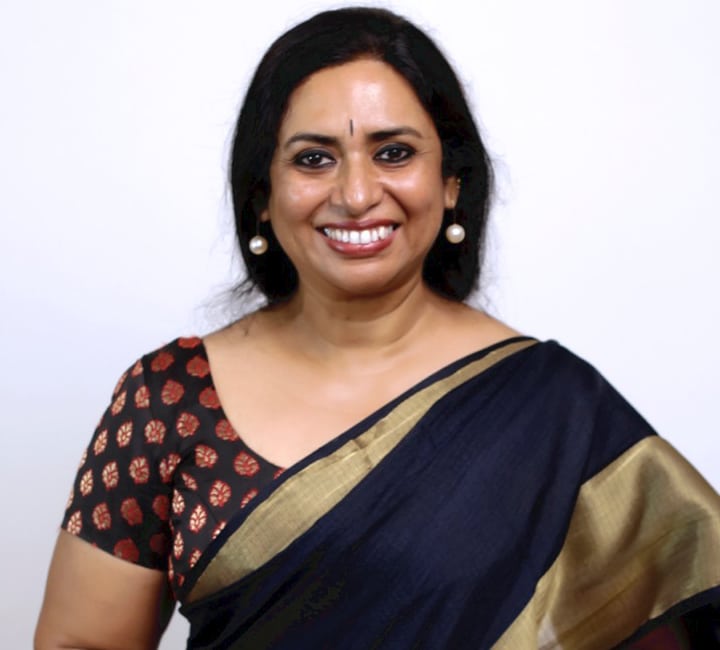
“I live on islands where the ocean never stops speaking. It speaks in tides and winds, in fishing boats returning at dusk, in children’s laughter echoing along sandy paths. And yet, over the past year, I have learned something profound: there is a voice more persistent than the sea… ” – Akim Said.
The Child is Calling: A Call That Did Not Fade
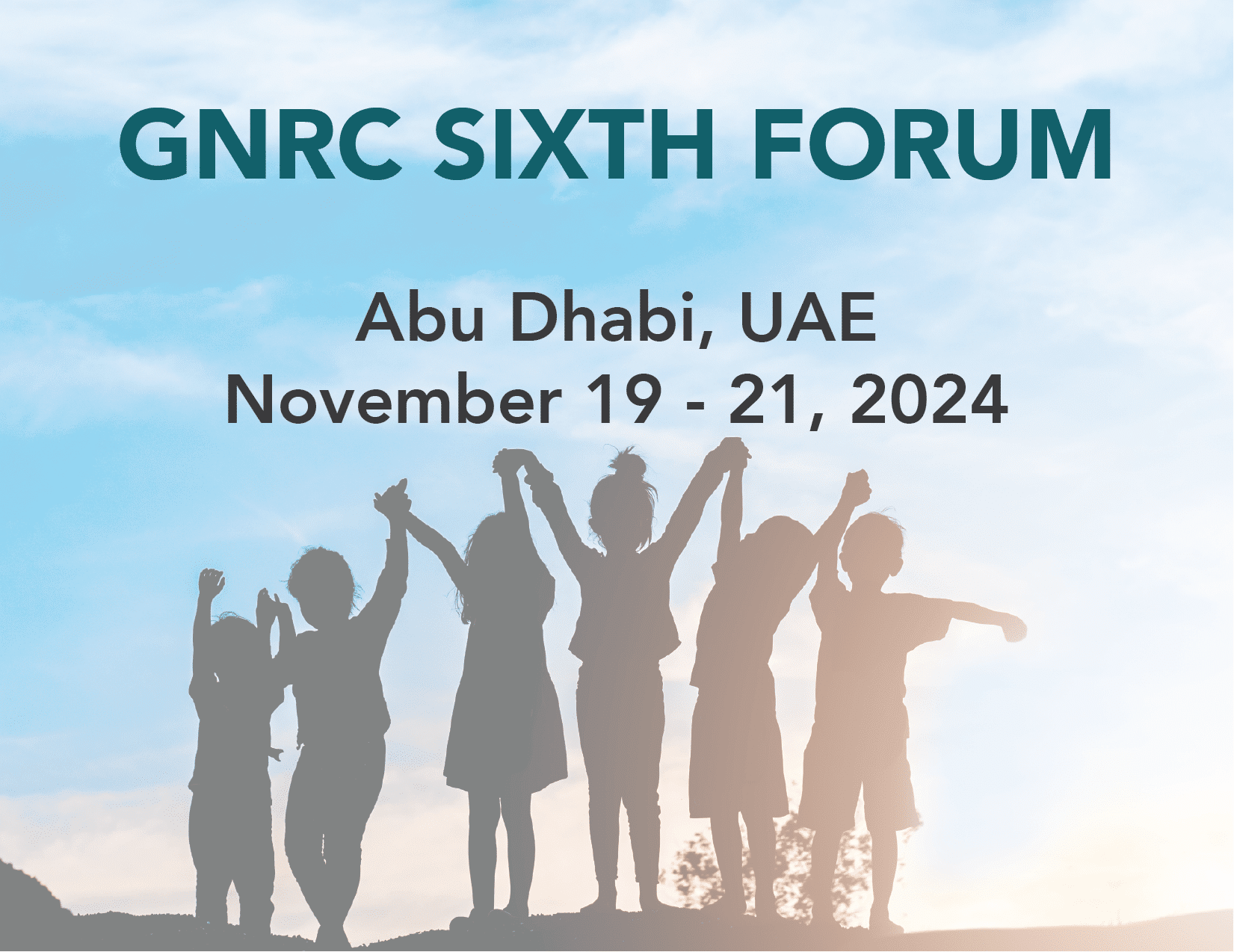
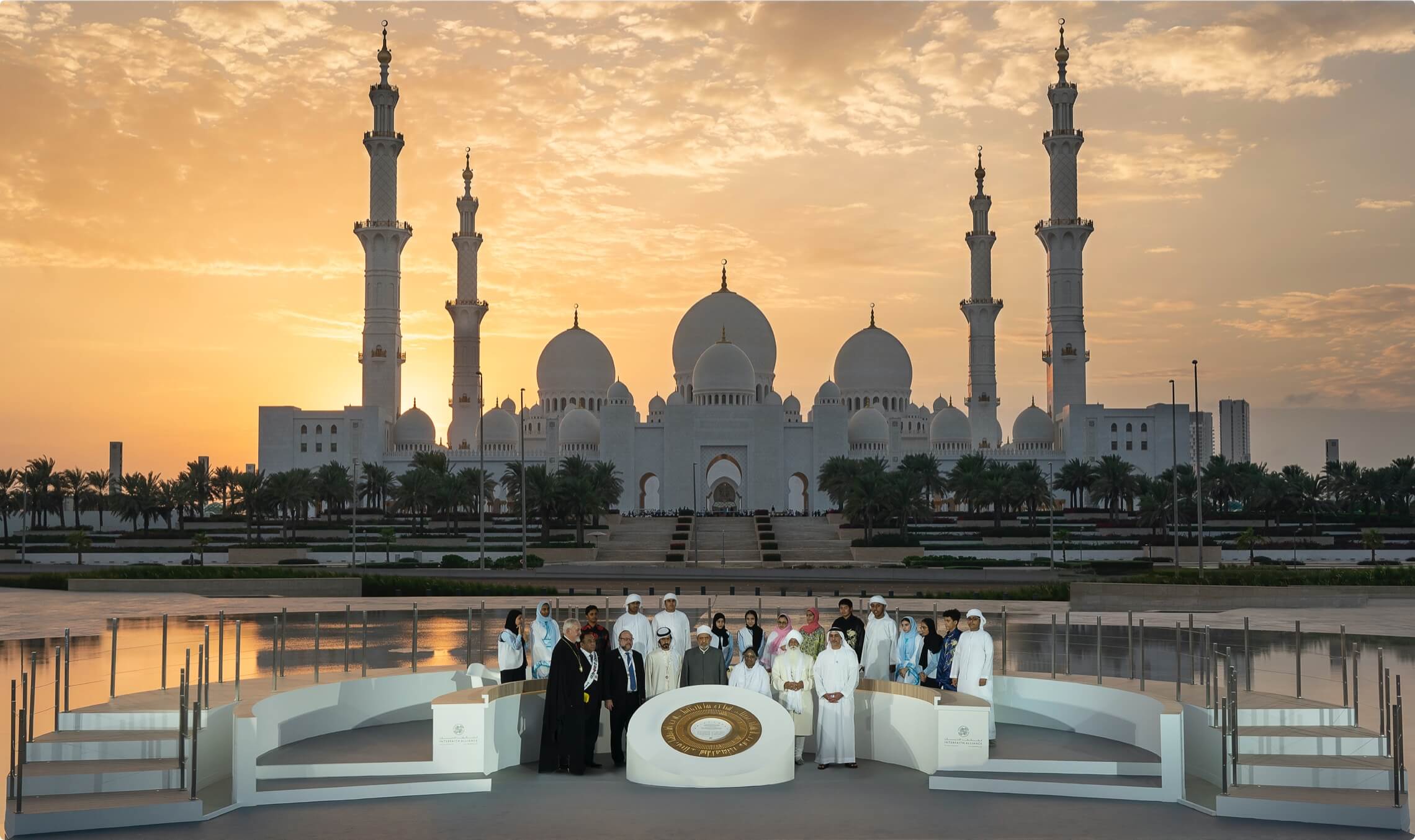
When we gathered in Abu Dhabi for the GNRC Sixth Forum, the theme “The Child Is Calling” felt like a powerful declaration; urgent, collective, and global. One year later, as the GNRC Country Coordinator in Comoros, that call no longer feels like a slogan. It feels like responsibility.
For me, the call of the child lives inside the Abu Dhabi Declaration on Building a Hopeful World for Children. It is no longer a document resting on paper; it is an action plan that asks something of us—here and now.
To answer that call means ensuring that commitments made in Abu Dhabi do not remain distant echoes of a global gathering. They must take root in our soil, reach our shores, and touch the lives of children.
Bringing the Declaration Home
That belief shaped everything about the post-Forum regional meeting we held in Comoros.
We knew from the beginning that this meeting could not belong only to GNRC. If we were truly listening to children, then everyone who shapes a child’s world needed to be present: government leaders, civil society, faith actors, development partners, and, always, children themselves.
So we gathered them.
Around the same table sat representatives of the Ministry for Gender Affairs, government officials responsible for children’s issues, UNFPA and WHO resident representatives, religious leaders, and civil society platforms working on gender-based violence and child protection. We were honored by the presence of GNRC colleagues from across Africa, including the DRC and Tanzania, as well as the Interfaith Alliance for Safer Communities, whose partnership brought strength and clarity to our discussions. Many more joined us online, ensuring the conversation extended beyond the room.
For us in Comoros, this moment was historic.
In ten years of collaboration, it was the first time we hosted GNRC officials on our soil. It felt like the global network had come home to listen.
A Lesson in Grassroots Action
Though the ocean sustains the people of Comoros, its shores were marked by waste and debris. During a walk to the GNRC Comoros office, the GNRC Secretary-General challenged the GNRC Comoros team and local youth, urging them to think beyond the usual and recognize the power of coming together. He highlighted that some tasks seem too big until like-minded people unite with a purpose.
What began as a simple conversation sparked action: within a month, the youth, GNRC Comoros, and partner organizations organized a bay cleanup. With the state providing machinery to support the activity. This initiative demonstrated the strength of grassroots initiatives.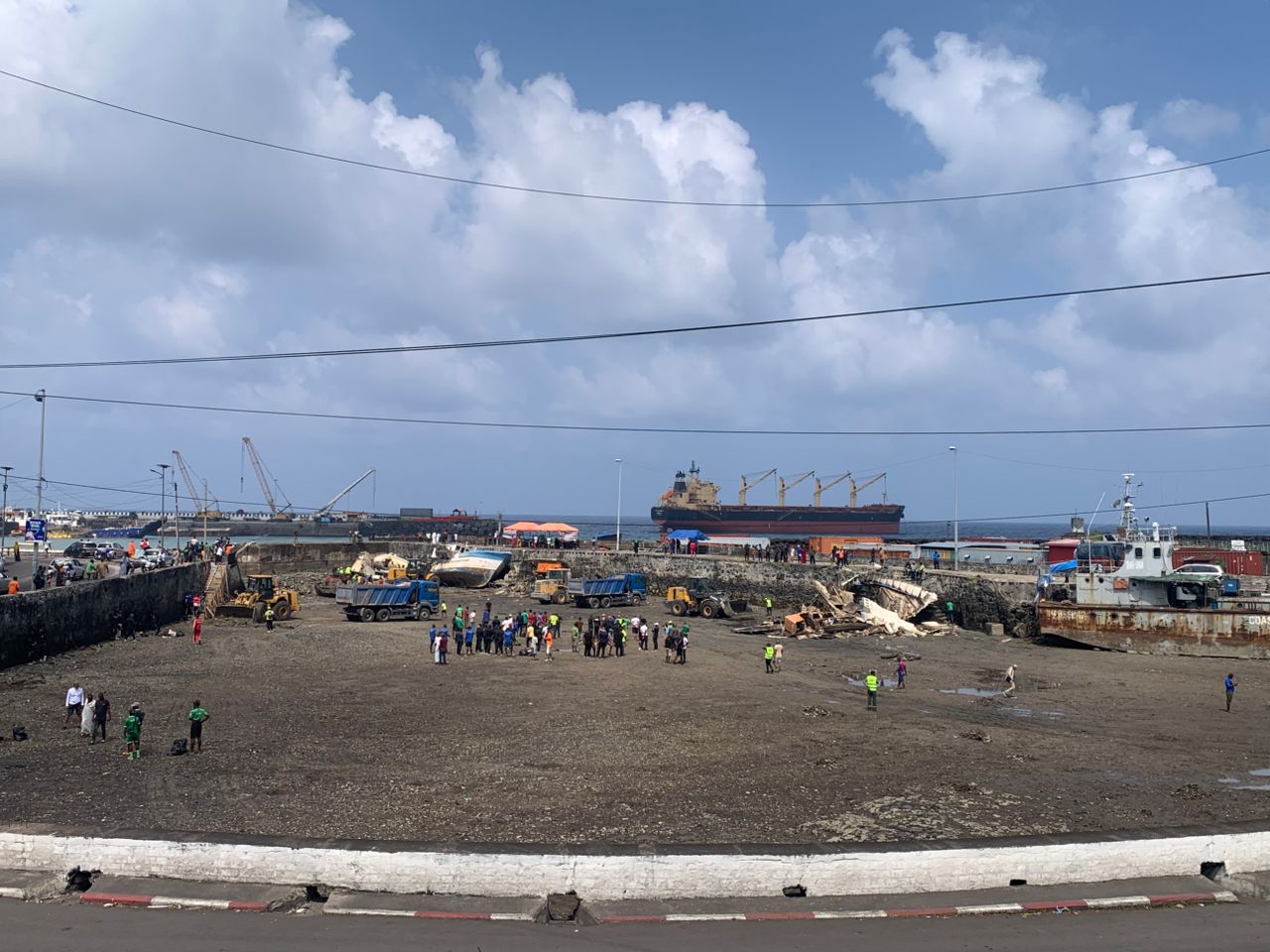
Why Regional Meetings Matter
Some might ask:
Why regional meetings?
Why not let the commitments remain global?
Because children do not live in declarations. They live in communities.
Holding the follow-up meeting at the regional level allowed us to look directly at reality, to speak honestly about what it means to build a safe, secure, and sustainable world for children in an island nation facing layered challenges.
And here, the truth is simple: everything is urgent.
#Violence against children.
#Poverty that limits opportunity.
#Education systems under strain.
These realities surfaced clearly during our discussions. Development partners and NGOs spoke candidly about the gaps, the risks, and the urgency of finding sustainable solutions that protect children’s dignity and prepare them for a better life.
Listening Before Acting
One of the most important lessons reaffirmed during the meeting was this: we cannot answer the call of the child without listening first.
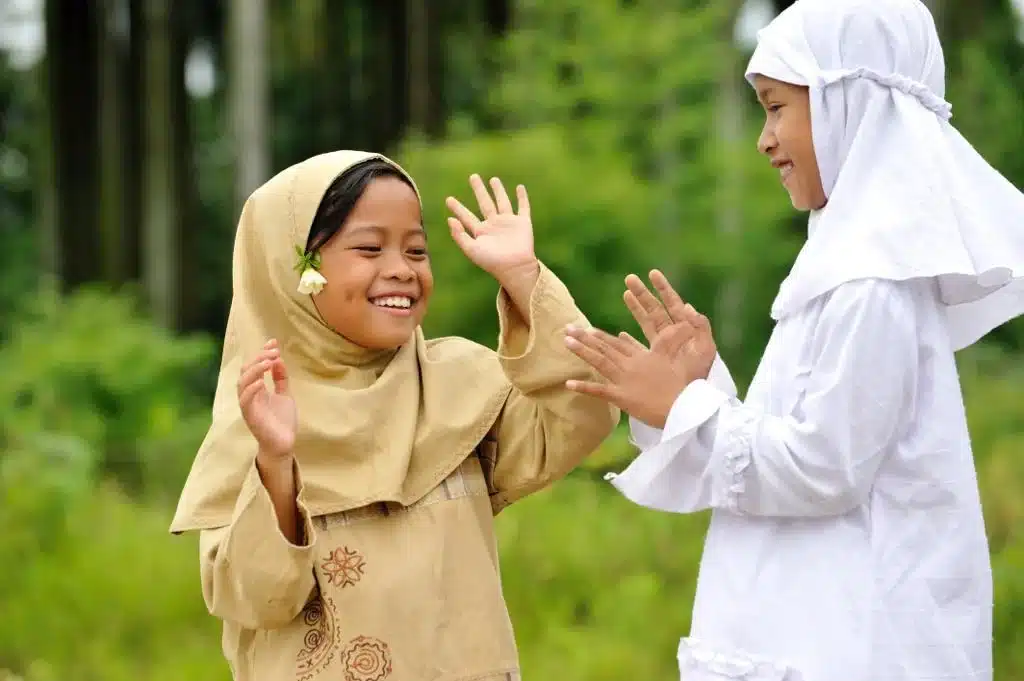
In Comoros, we intentionally create spaces where children can speak, where they can express their fears, hopes, and daily struggles. Sometimes their voices reach us directly; sometimes through the work of communities and partners who walk alongside them. Either way, their lived experiences inform our priorities.
This is what the Sixth Forum asked of us.
This is what the Abu Dhabi Declaration calls for.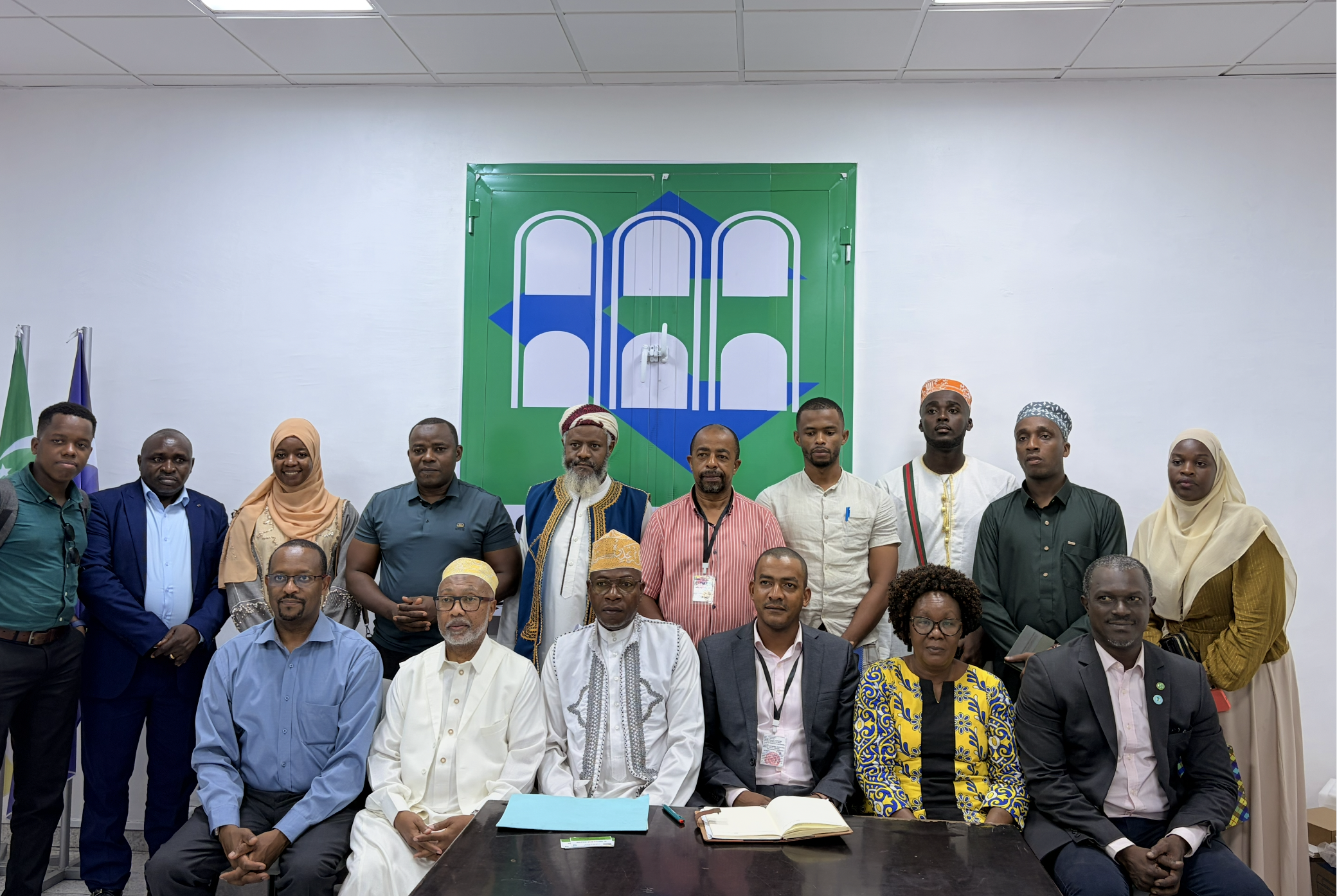
Faith, Responsibility, and Moral Leadership
Faith communities play a central role in our context. In Comoros, religious leaders and communities are deeply concerned about child protection. They stand with us, not only in words, but in shared vision and action.
The Abu Dhabi Declaration calls on faith actors to exercise moral leadership. Here, that leadership is visible in collaboration, advocacy, and a collective refusal to look away when children are at risk.
This alignment gives meaning to GNRC Strategy 2030, which seeks to protect children, build their resilience and hope, and free their limitless potential. As part of this global network, we walk in the same direction—step by step.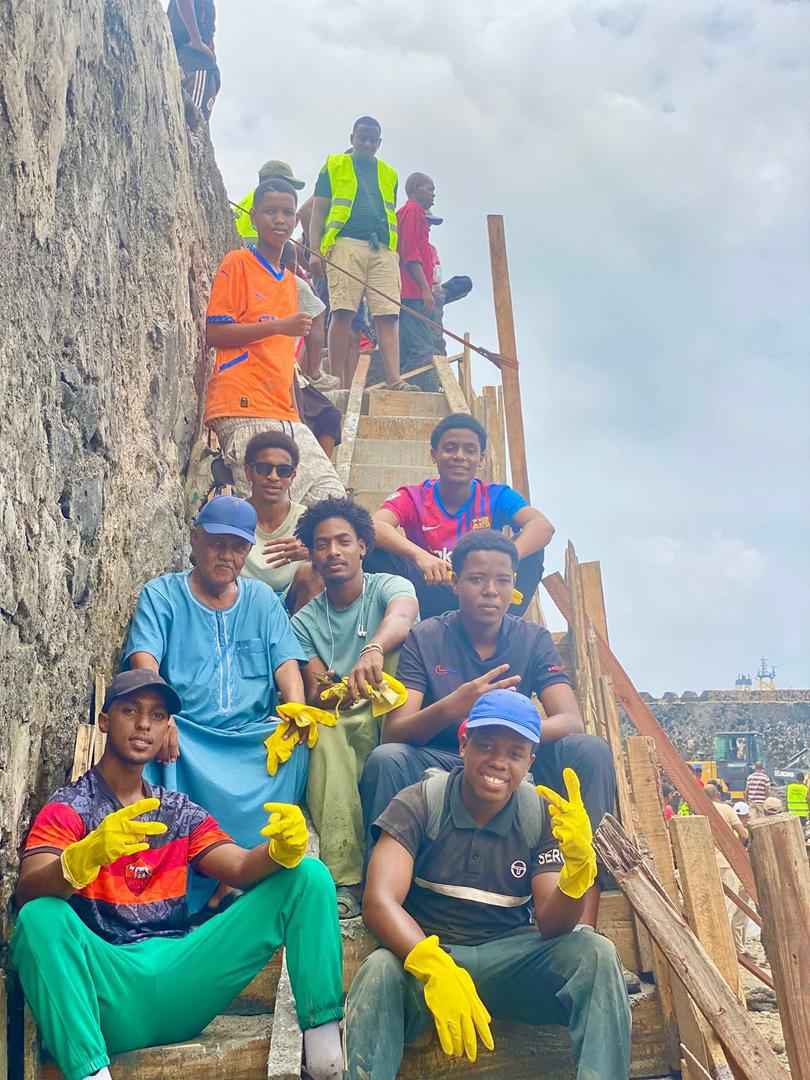
What We Learned and What Gives Us Hope
From this post-Forum journey, one lesson stands above all others: we must continue. We must develop more tools, mobilize more resources, and strengthen networks that allow us to respond more effectively to the challenges our children face. The work is demanding, but it is necessary.
And what gives me hope? The total commitment of GNRC.
A network that does not let the conversation end with a Forum.
A movement that returns, again and again—to listen, reflect, and act.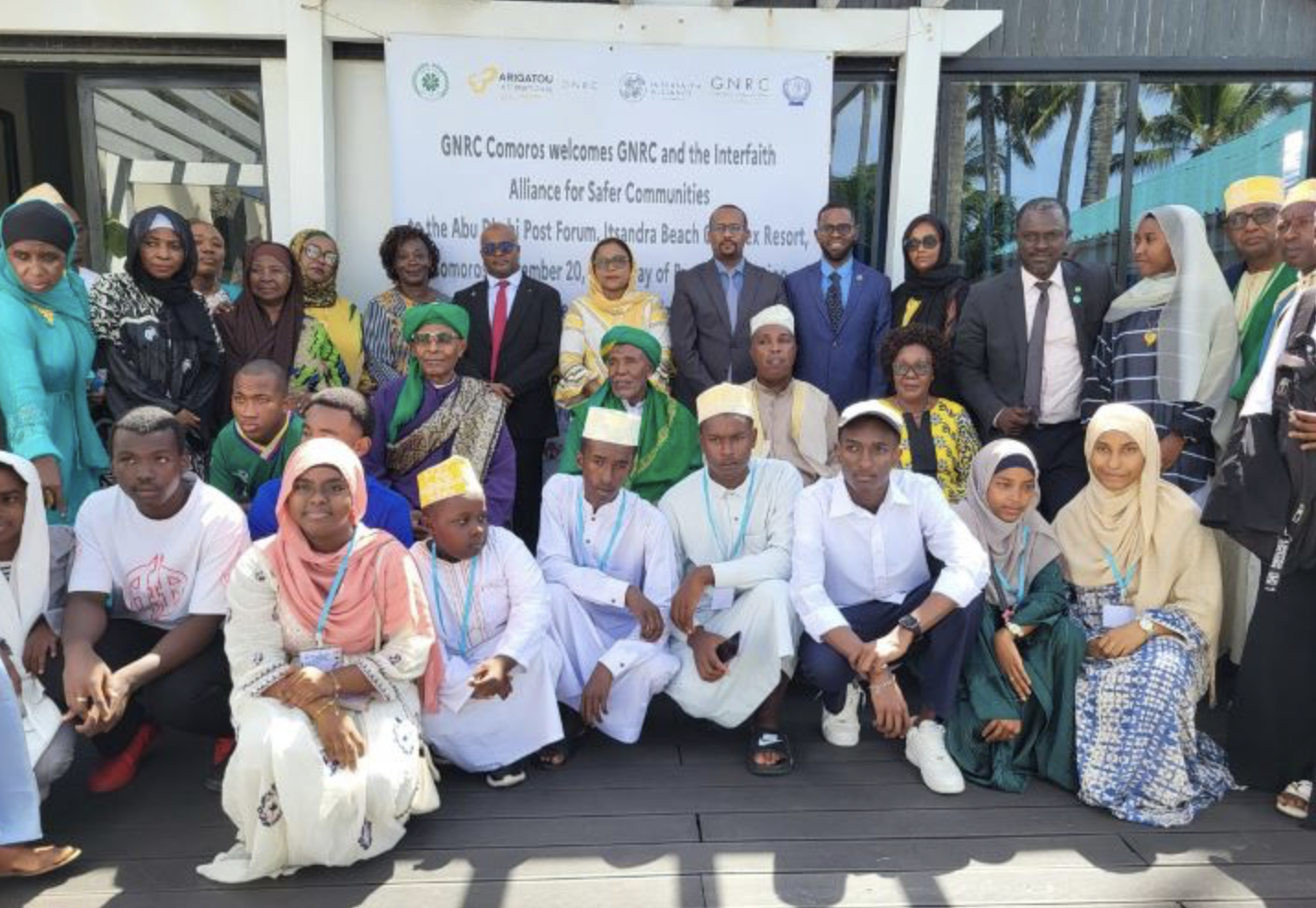
Responding to the Call
If I could speak directly to the child calling from our region today, I would say this:
You are not unheard.
Your call is our priority.
And I would renew this commitment: to redouble our efforts, to turn words into action, and to offer concrete, lasting responses that honor your dignity and protect your future.
Here in Comoros, the ocean will continue to speak.
But so will we, until every child’s call is answered.