
Africa is home to the youngest population in the world, with over 70% of Sub-Saharan Africans under the age of 30, according to the United Nations. Across this vast continent, the future of our planet and its sustainability increasingly rests in the hands of young people. As Forbes rightly notes, “young people are key to cultivating a more sustainable and healthier planet.” From Comoros and beyond, recent youth movements have made one thing clear: the youth are no longer waiting for change; they are reclaiming their spaces, their voices, and their responsibility to protect the earth.
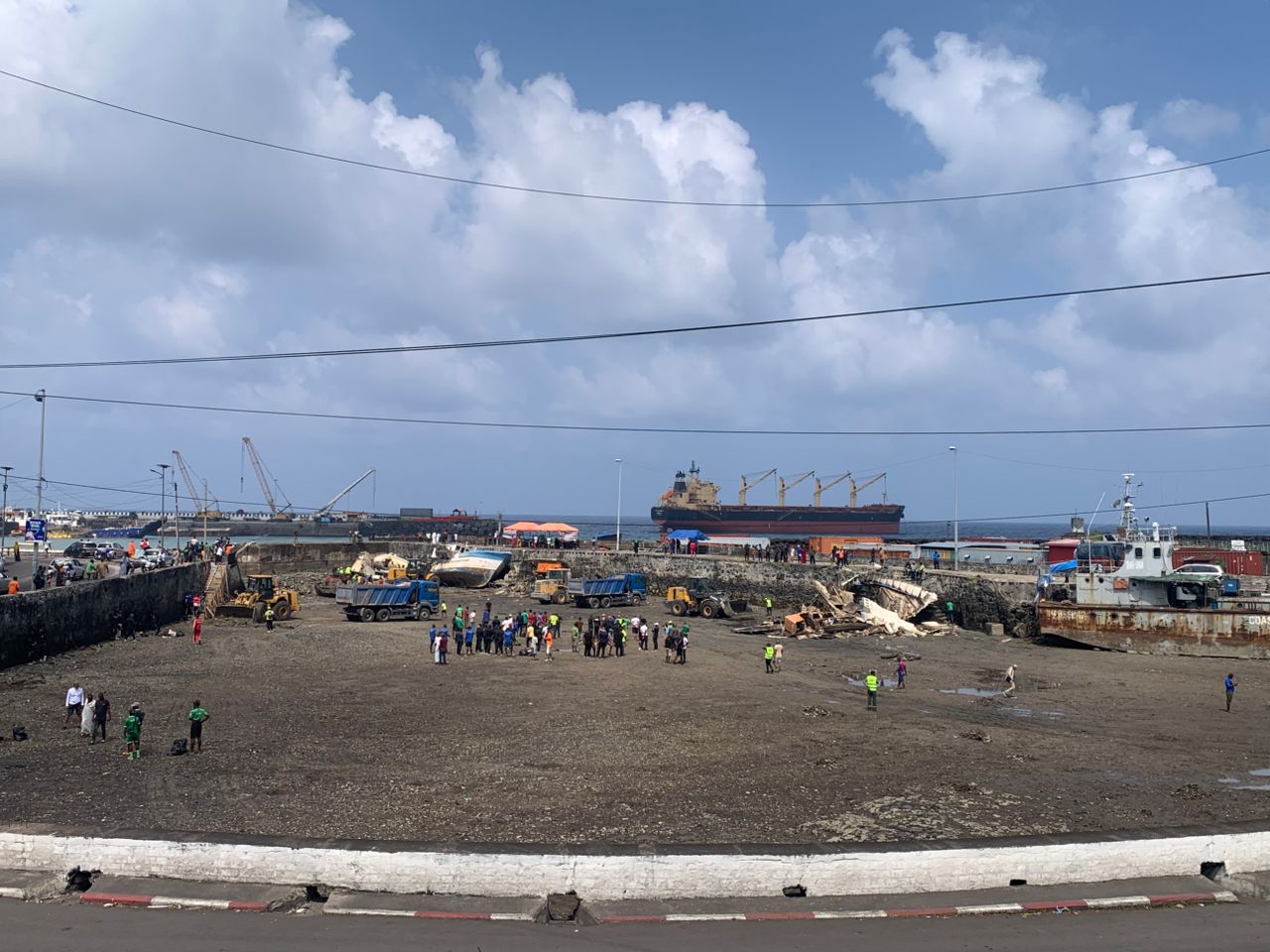
In Moroni, Comoros, for weeks, young people mobilized to restore the historic Kalaweni Bay, once a symbol of beauty and pride for the city but now choked by wrecked boats, rusted metal, plastic waste, discarded tyres, and pollution. What was once a lifeline for recreation and livelihood had become a health hazard, particularly for children who swim there and women who depend on its waters for daily use.
This action took place shortly after the conclusion of the Post Forum Africa Regional Meeting, where the participants reflected on how to advance the commitments to answering the call of the child. Among the key recommendations during this meeting was to “create platforms for young people to propose their own climate, health and protection solutions, ensuring their voices directly shape programs and community actions.” The youth-led restoration of Kalaweni Bay stands as a living example of this recommendation in practice, with young people taking the lead in shaping solutions for their communities.
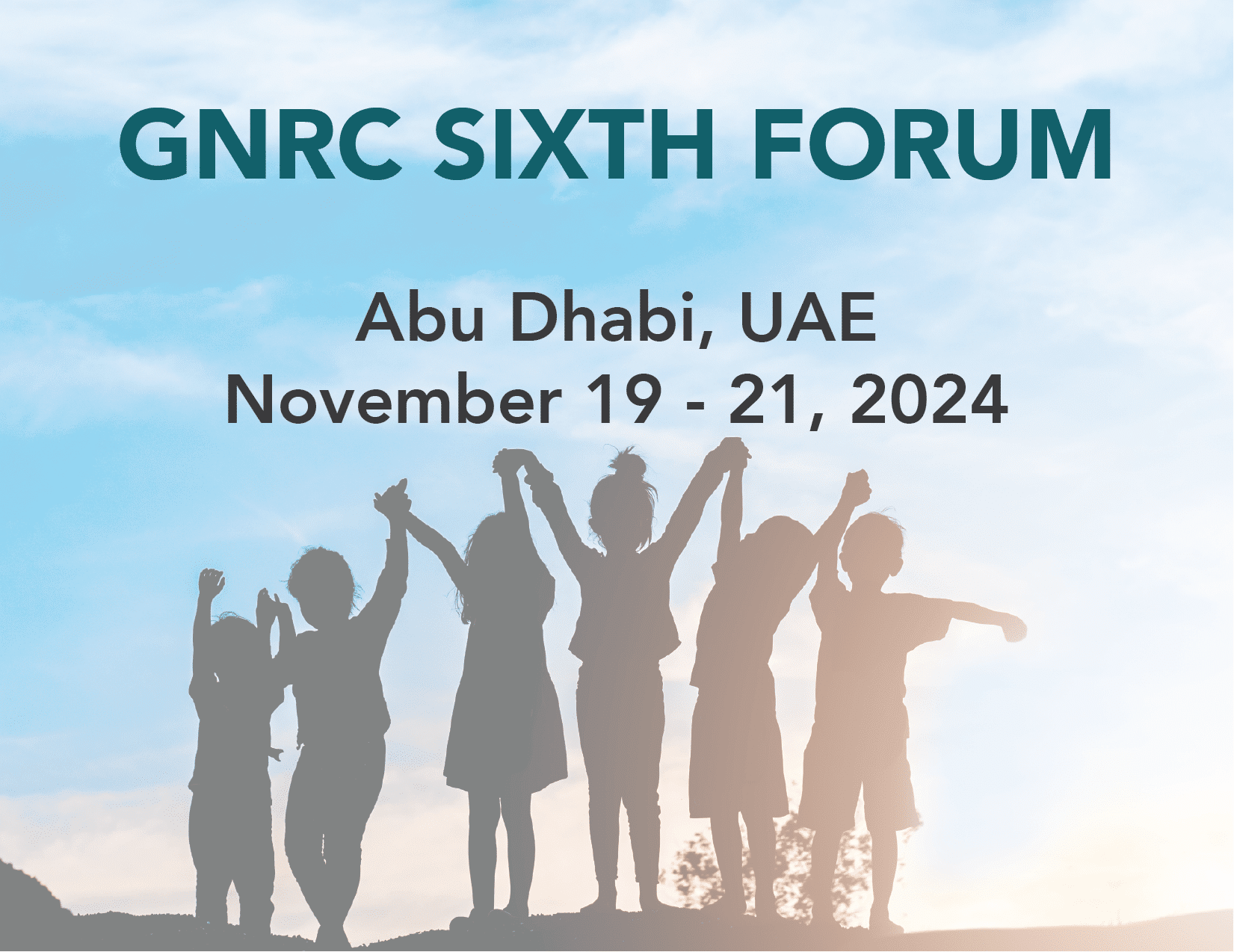
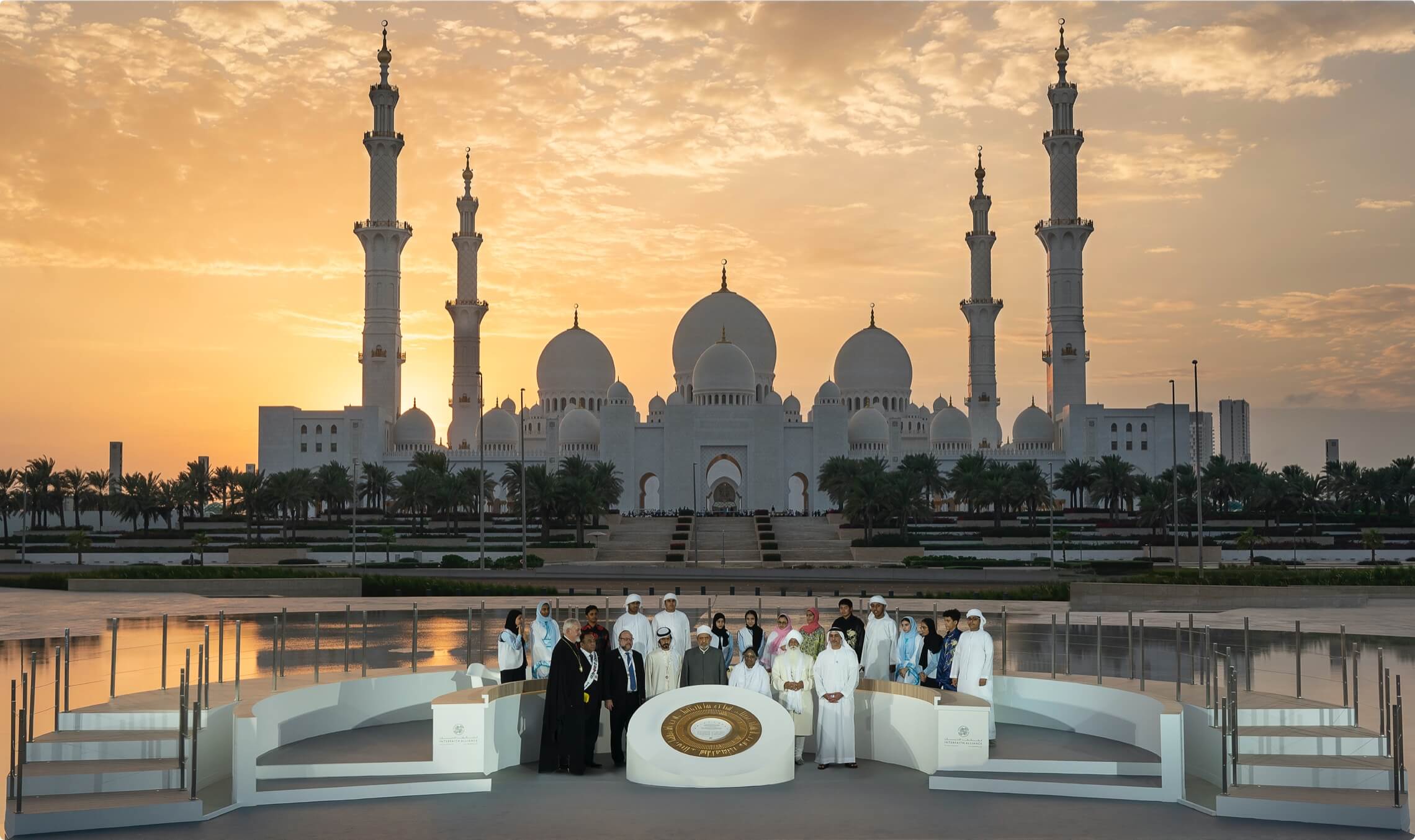
Driven by urgency and hope, and supported by the state, faith actors, and faith-based organizations, the youth of Moroni, Mtsangani, and Badjanani rolled up their sleeves to reclaim the Bay and restore its dignity. Among them were GNRC Comoros youth representative Mr. Ben Abadjamil and GNRC Comoros Coordinator, Mr. Akim Said M’Changama, whose actions brought to life the commitments made at the GNRC Sixth Forum in Abu Dhabi in November, to build a sustainable world for children. Their leadership embodies the spirit of the Abu Dhabi Plan of Action, particularly Strategic Goal 3, Objective 1, on promoting responsible lifestyles and environmental stewardship.
At its heart, this youth-led action is a powerful response to GNRC’s rallying call to Answer the Call of the Child. By restoring Kalaweni Bay, young people are safeguarding children’s right to a healthy environment, clean water, and safe spaces to play, learn, and thrive. Environmental degradation is not only an ecological issue, but it is also a child protection issue, with direct consequences for children’s health, dignity, and future opportunities. The commitment shown by the youth of Comoros affirms that building a sustainable world for children begins with listening to young voices, trusting their leadership, and supporting their actions. In doing so, they remind us that when youth act for the planet, they are also standing up for children, today and for generations to come.